Adjustable resistors (potentiometers and trimmers) are widely used to fine-tune voltage and current in electronic circuits. Correct installation and handling are essential for stable performance and a long service life. The following guidelines summarize the main points to observe.
- The rated load of an adjustable resistor is based on an ambient temperature of 70°C; operation above 70°C may cause it to lose its function.
- Keep the surface free of condensation or water droplets, and avoid use in damp environments.
- The turning operation force becomes lighter as temperature rises and tighter when it drops. For low-temperature environments, specify the requirement so special low-temperature grease can be used.
- When mounting a rotary adjustable resistor, do not overtighten the fixing nut, as this may damage the threads or impair smooth rotation.
- When installing an iron-cased adjustable resistor, do not use overly long screws, which may obstruct slider movement or damage the potentiometer itself.
- Adjustable resistors are best used in voltage-adjustment circuits rather than current-adjustment structures, because contact resistance between the resistor element and contact arm is unsuitable for high current.
- Excessively high soldering temperature or prolonged soldering time may damage the potentiometer.
- For through-hole terminals, solder at 235°C ± 5°C within 3 seconds, keep the joint at least 1.5 mm from the potentiometer body, and prevent solder from flowing through the PCB.
- Most resistor elements are made of polycarbonate-based synthetic resin; avoid contact with ammonia water or other amines, which can affect performance.
- The shaft or slider should be designed as short as possible: a shorter shaft gives a better, more stable feel, while a longer one causes more play and inconsistent feel.
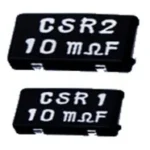
- For SMD adjustable resistor terminals, avoid water-soluble flux, which promotes metal oxidation and mold growth.
- Avoid low-quality solder, as poor solderability can lead to weak soldering, poor contact, or an open circuit.